
Industry Insights & Guides
Flame-Retardant Safety Nets Explained: EN 13501-1 & NFPA 701
When does a safety net need to be flame-retardant? EN 13501-1 and NFPA 701 explained in plain language, plus where FR nets are required.
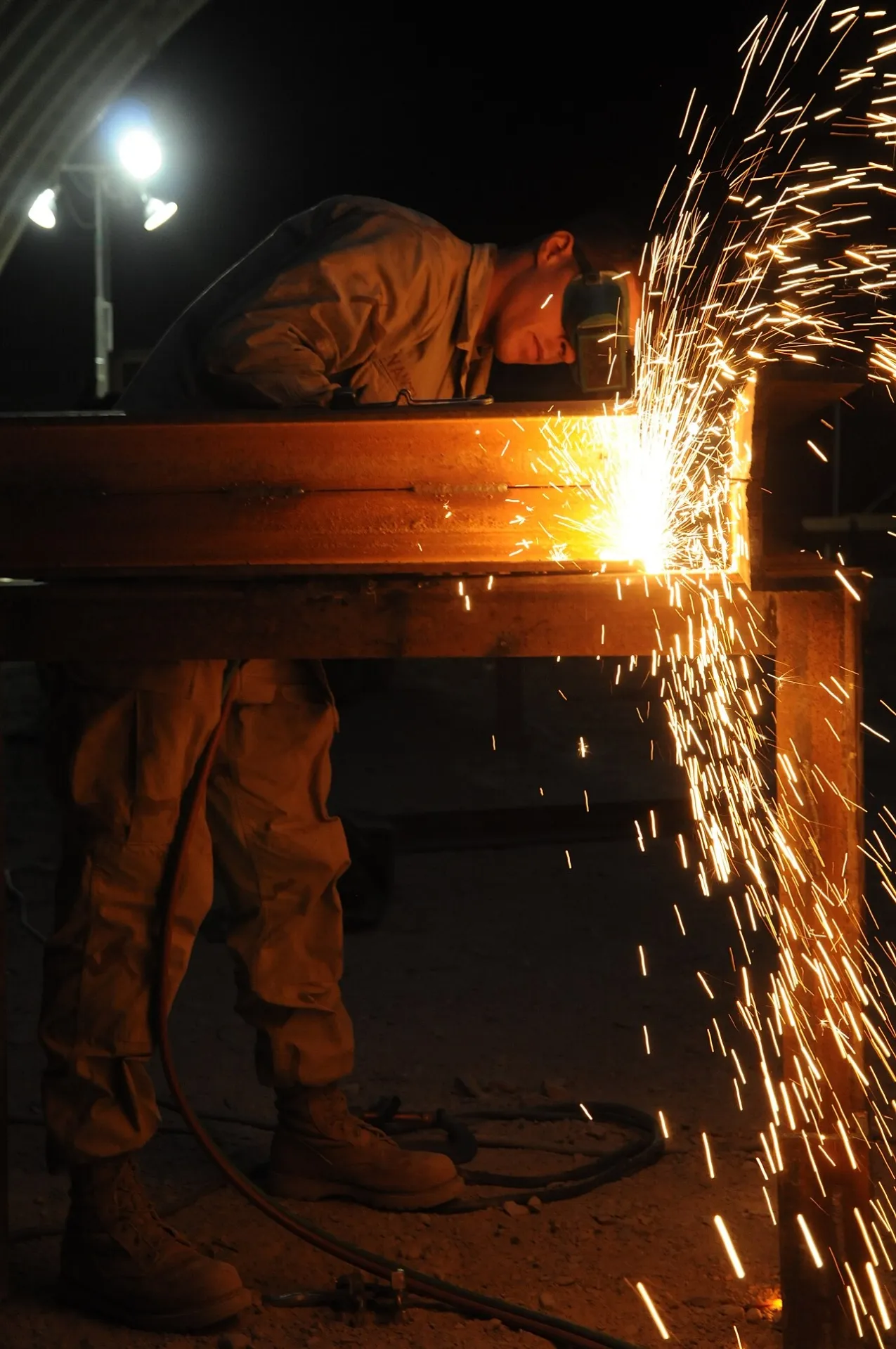
When a safety net is specified for a construction site, a scaffold, a tunnel or a temporary structure, fire performance is easy to overlook — until a hot-works permit, a building owner or an insurer asks for it. A flame-retardant (FR) safety net is not a fireproof net. It is a net designed to resist ignition, to slow flame spread and, in many cases, to self-extinguish when the flame source is removed. That difference matters for buyers: FR treatment buys time, limits how far a fire can travel across a net, and reduces the risk that a net itself becomes a route for fire to spread. It does not make a net non-combustible, and it does not replace good housekeeping, hot-works controls or a site fire-risk assessment.
What “flame-retardant” means for a net
Most safety nets are made from synthetic polymers, such as polypropylene, polyethylene or nylon. These materials can melt, drip or burn if they are exposed to a strong enough heat source. A flame-retardant net is made or treated so that it is harder to ignite and burns more slowly than an untreated net of the same material. In practice, that can mean a smaller damaged area, less burning material falling to the ground, and more time for workers to react and for a fire to be controlled. It does not mean the net will survive direct contact with a flame indefinitely, and a net that has been damaged, contaminated with oil or solvents, or exposed to prolonged heat should be treated with caution and checked before reuse.
EN 13501-1: reaction-to-fire classes in plain language
In Europe, the fire performance of construction products is commonly described using EN 13501-1, the standard for classification of reaction to fire. Its classes run from A1 to F. In simple terms, A1 and A2 are the highest classes, for products with very limited combustibility; B, C and D describe increasing levels of contribution to a fire; E is a lower level of performance; and F is used where performance has not been determined or the product does not meet the higher classes. A classification is often given with extra letters for smoke and flaming droplets: s1, s2 or s3 for smoke production, from low to high, and d0, d1 or d2 for flaming droplets, where d0 means no flaming droplets were observed in the test. For example, a classification such as B-s1, d0 describes a product with a limited contribution to fire, low smoke production and no flaming droplets under the test conditions. Scaffold wrap and debris netting are usually assessed to the class that is relevant to the application, the product construction and the local rules for the project — there is no single class that fits every net, every building and every country. Buyers should therefore ask which class was claimed, for which product, and under which test, rather than assuming that any “FR” label means the same thing.
NFPA 701: Test 1 and Test 2
In North America, NFPA 701, Standard Methods of Fire Tests for Flame Propagation of Textiles and Films, is widely used for fabrics and films. It has two main test methods. Test 1 is a small-scale test, generally used for lighter fabrics. Test 2 is a larger-scale test, generally used for heavier fabrics. In both cases, specimens are exposed to a controlled flame under laboratory conditions and their burning behaviour is measured. A pass means the specimens met the criteria in the standard for that test method — for example, in relation to continued burning after the flame is removed and the extent of burning. A pass is a laboratory result for the tested material and construction. It is not a guarantee that the same material will behave in the same way in a real fire, where heat, wind, orientation, contamination and the amount of material involved can all be different. That is why the test method matters: when comparing two suppliers, check whether both results come from the same test, and whether the test was carried out on the same type and weight of net that is being offered.
Where FR nets are typically required
FR nets are not needed on every job, but they are commonly specified where the fire risk is higher. Typical examples include areas where hot works and welding take place, and where sparks or hot metal could land on a net; scaffold wrap on occupied buildings or buildings next to the public, where a fire could spread across the facade or put people at risk; tunnels and other enclosed or underground works, where smoke and escape routes are a particular concern; events and temporary structures, where large areas of fabric are used close to the public; and any site where a fire-risk assessment, a local authority, a client specification or an insurer requires a defined fire performance. On other sites, a standard debris or safety net may be acceptable. The decision should follow the project fire-risk assessment and the applicable local rules, not a general assumption.
How to specify and check FR
A short enquiry can prevent a costly misunderstanding. First, ask for the test report and the classification, and check which standard and test method were used. A statement that a net is “flame-retardant” on its own is not enough. Second, check whether the flame retardancy is inherent to the material or an applied finish. An inherent property is part of the polymer or yarn; an applied finish is added during manufacture and may need to be maintained. Third, ask whether washing, cleaning, UV exposure, weather or age affect the treatment, and whether there are any care, storage or service-life limits that apply. Fourth, check the scope of the evidence: a classification or test result applies to the product and construction that were tested. A change in material, weight, mesh, coating or colour can change the result, so the evidence should match the product being supplied. Finally, ask for the information in writing, with the product name and the test reference, so it can be kept with the project records. FR status and test evidence should be confirmed per product with the supplier.
Buyer checklist
- Confirm whether the project actually requires an FR net, and which standard and class or test are specified.
- Ask for the test report and classification, and check the standard, test method and product scope.
- Check whether the FR property is inherent to the material or an applied finish.
- Ask whether washing, UV exposure, weather or age affect the FR performance.
- Check that the net is used within its intended application, and keep the evidence with the project records.
Used in the right place, a flame-retardant safety net is a practical part of fire-risk control: it does not remove the need for hot-works permits, housekeeping and supervision, but it can reduce how quickly a small ignition becomes a larger problem. Specify the standard, check the evidence, and confirm the details for the exact product before ordering.