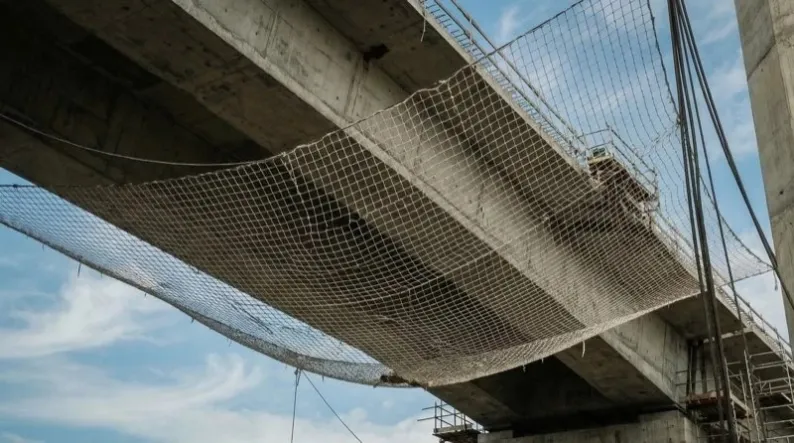
Bridge, Demolition & Industrial Nets: Where Each Type Fits
A bridge, a demolition site and a warehouse ask three different things of a net. Match the net to the job first — mesh, class and fixings follow from that, not the other way round.

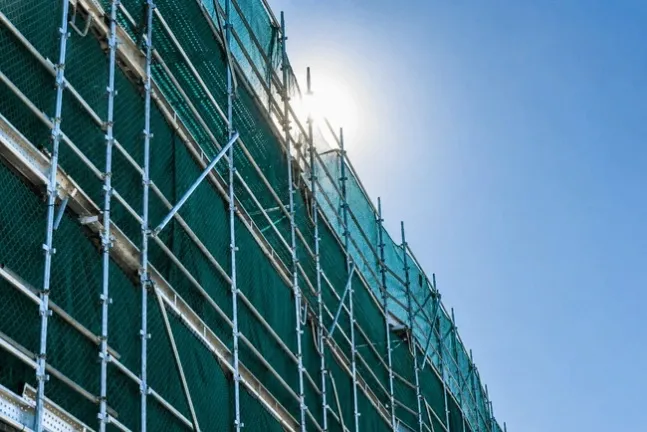
A bridge, a demolition site and a warehouse ask three different things of a net. Match the net to the job first — mesh, class and fixings follow from that, not the other way round.
A custom net is only as good as the measurements and specification behind it. Get the size, mesh, rope and test-mesh details right first — and the price you are quoted will actually mean something.

Sunlight is the quietest load a safety net carries. It thins the net's strength year by year — and only the annual test-mesh result can say when that has gone too far.

A US buyer cites ANSI A10.11, a European one EN 1263, and OSHA is the law on US sites. They are three different kinds of document — and a pass under one is not a pass under another.

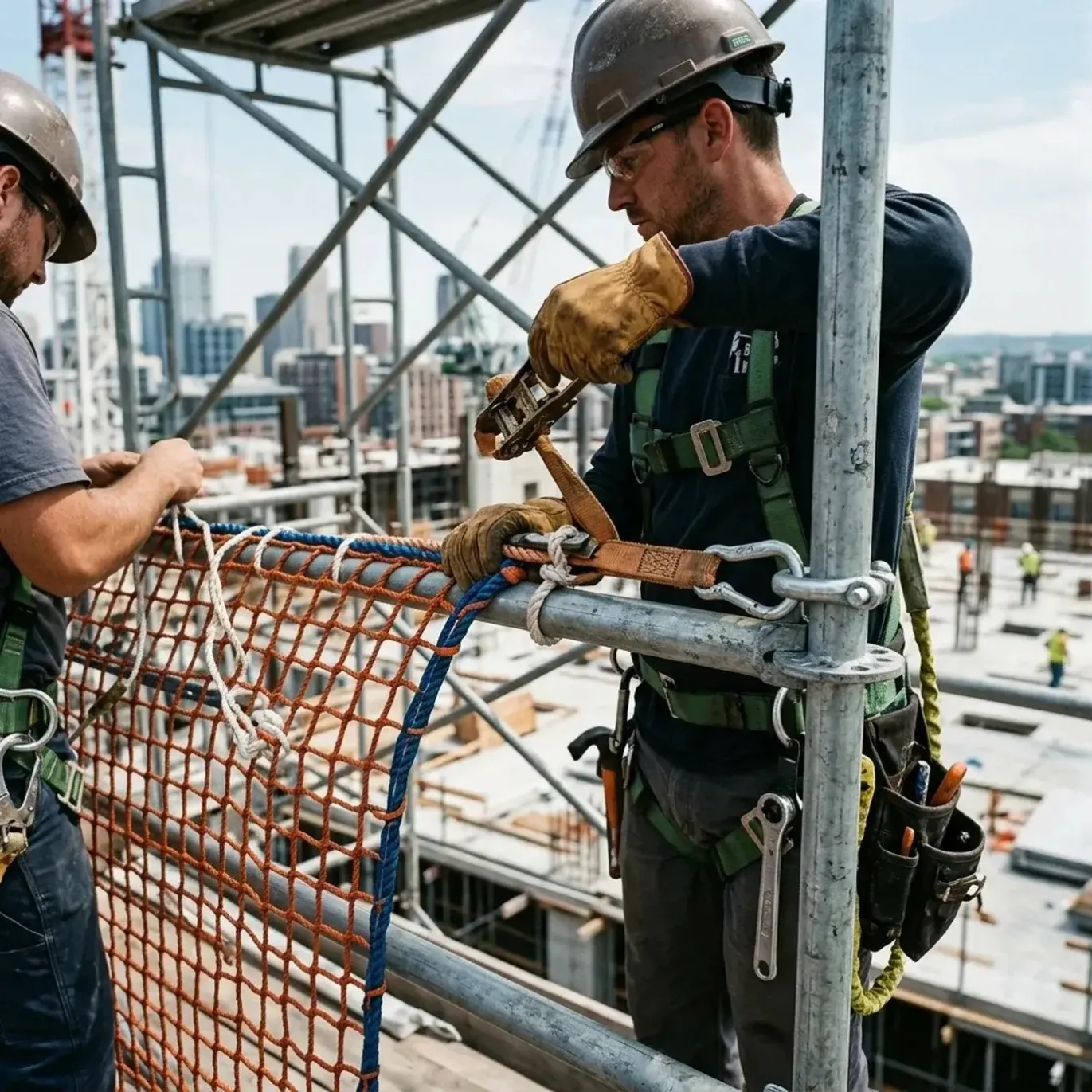
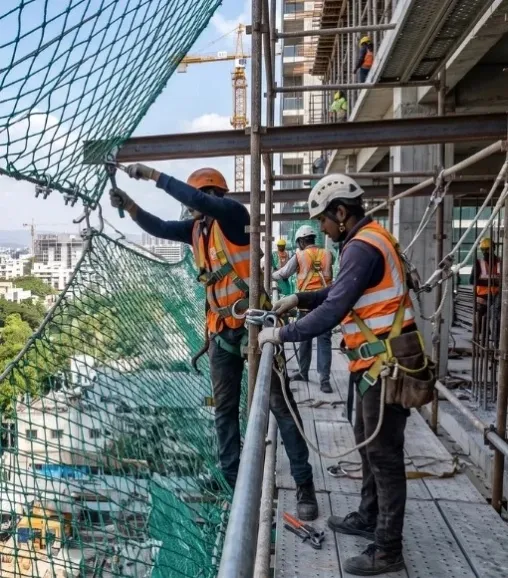
A net is only as safe as its installation. EN 1263-2 sets the fall height, catching width and fixing-point loads — get those wrong and the net cannot do its job.

PP vs PET netting: which material is best for your construction site? Compare strength and UV resistance — and choose the safety netting that fits the job.

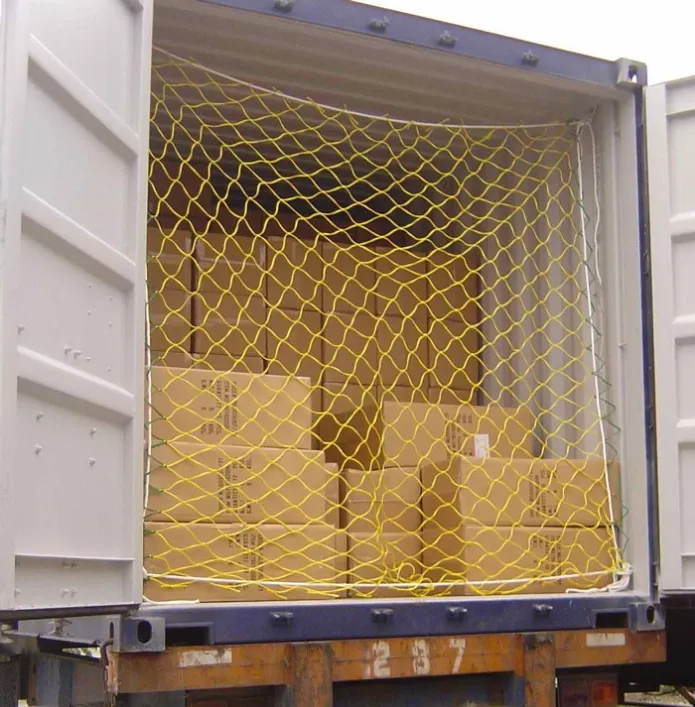
Custom knotless cargo nets and a waterproof tarp system for safer shipping and logistics — secure container and trailer loads for transport, with custom sizes.

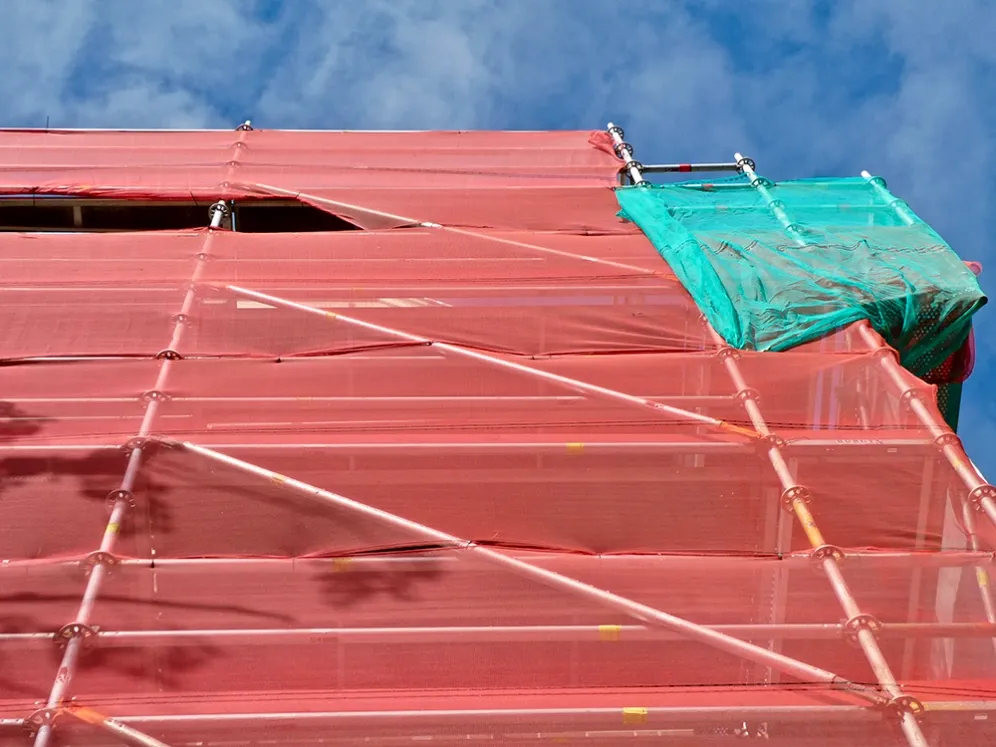
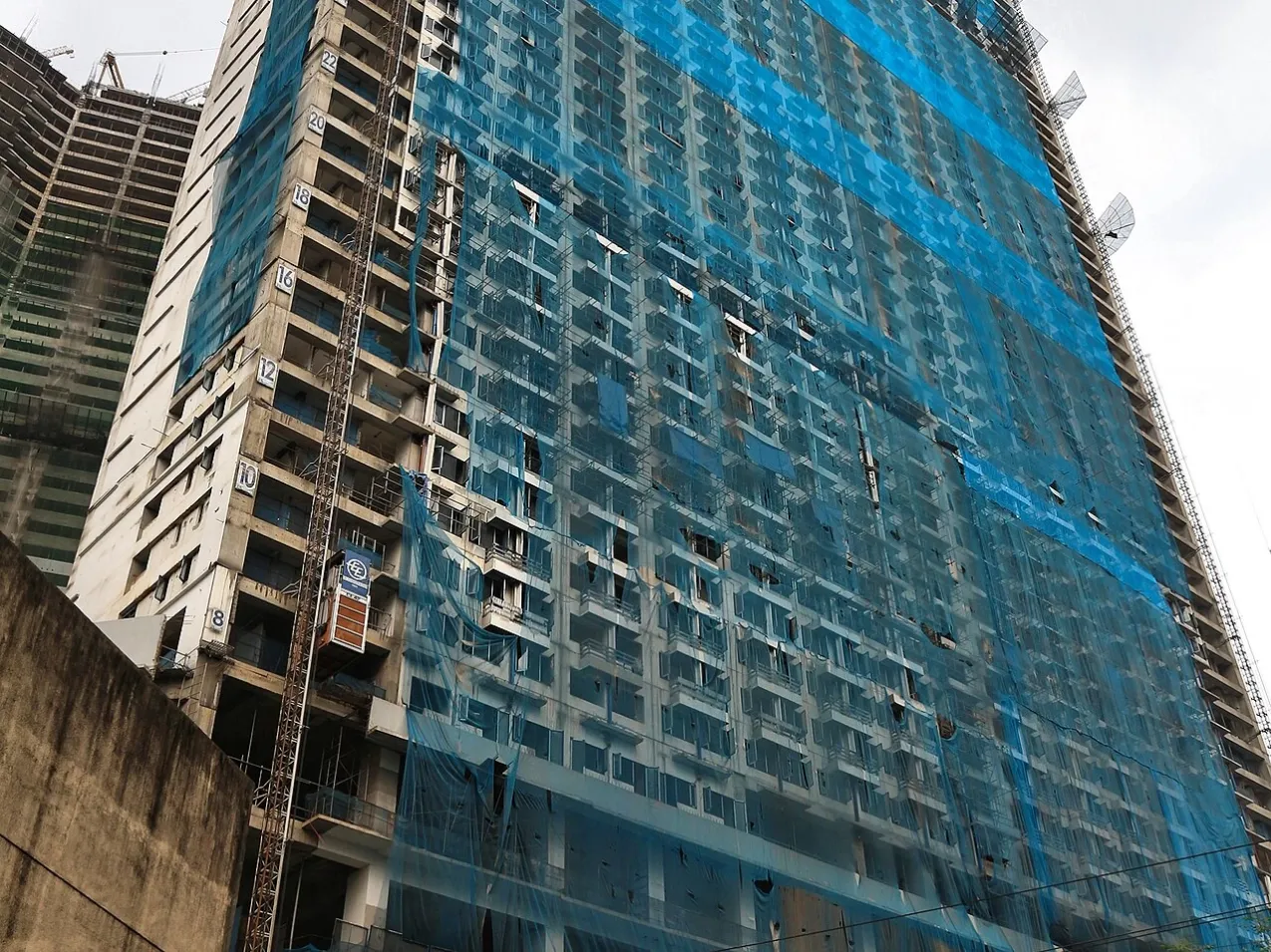
Debris nets contain falling objects; personnel fall-arrest nets catch falling people. Learn the OSHA and EN 1263-1 differences to check before choosing a net.

Read an EN 1263-1 safety net label: classes A1, A2, B1, B2 and systems S, T, U, V explained in plain language — match the class and system to the job.

OSHA 1926.502 safety net checklist: mesh size, border rope, drop test, inspection and clearance — the US construction safety net rules, in one checklist.