Industry Insights & Guides
PP vs PET vs HDPE vs Nylon: Safety Net Material Guide
PP, PET, HDPE and nylon behave differently outdoors. Compare strength, UV resistance, water absorption and cost — and match the safety net material to the job.
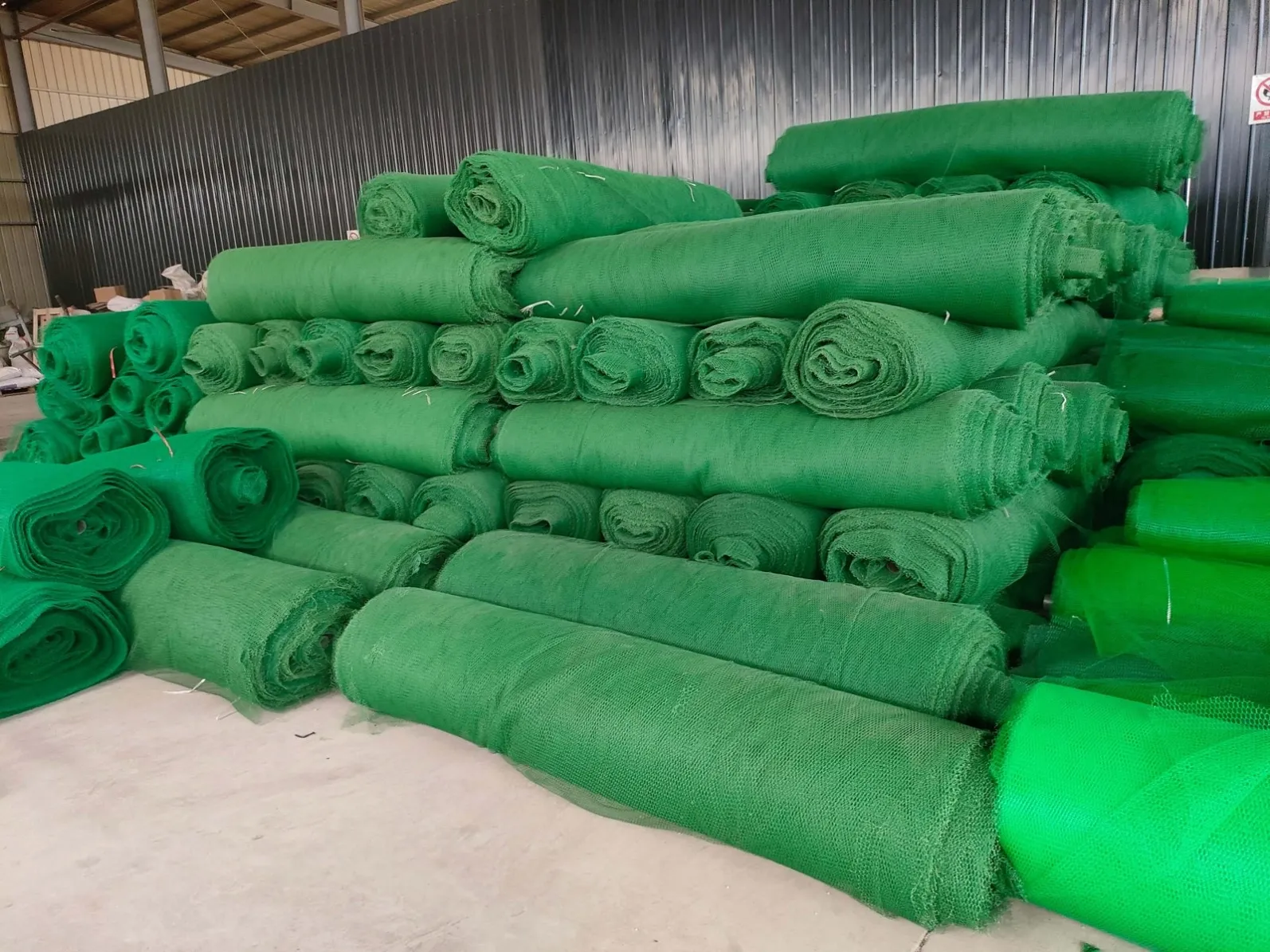
Picking a safety net often starts with the material, not the product. Four polymers dominate the market — polypropylene (PP), polyester (PET), high-density polyethylene (HDPE) and nylon (PA). They look alike on the shelf, yet they behave very differently in sunlight, water, cold and impact.
At a glance
• PP (polypropylene): Light, low cost, good chemical resistance. Weakness: UV and high temperatures.
• PET (polyester): Strong, low stretch, good UV resistance. Weakness: stays wet longer than PP.
• HDPE (high-density polyethylene): Tough, flexible, good UV and chemical resistance. Weakness: absorbs more energy under impact.
• Nylon (PA): Highest strength and energy absorption per gram. Weakness: absorbs moisture, and loses strength when wet.
PP (polypropylene)
PP is the workhorse of safety netting. It is light, cheap to produce and one of the best materials for resisting moisture and chemicals. PP nets are a common choice where cost matters and conditions are relatively mild. They also suit most general-purpose safety nets, and the material is widely available.
The trade-off is UV. Under strong sunlight, PP can degrade and lose strength over time, and the loss is not always visible. If a net has a UV rating, or is labelled as UV-stabilised or UV-resistant, that is a useful check for outdoor use. A PP net should be inspected regularly and replaced sooner in harsh sun.
PET (polyester)
PET is stronger than PP in tensile strength, and it also stretches less. That matters when a net has to hold a falling load without sagging or stretching — the less the stretch, the less clearance is consumed in a fall. PET is also resistant to UV light and moisture, and is the usual choice for a net that needs to stay in service for a long time.
PET nets tend to be heavier and more expensive than PP, but are often chosen for safety-critical applications where strength and long-term stability matter more than weight or price.
HDPE (high-density polyethylene)
HDPE is the toughest of the four for general durability. It is flexible at low temperatures, resists chemicals and UV well, and is hard to tear. That makes it a good choice for sites with extreme weather.
HDPE nets are usually thicker than PP nets and heavier to handle, and it is also less common than PP and PET in safety-net products. Where it is available, it is a good compromise between strength and flexibility.
Nylon (PA)
Nylon has the highest strength-to-weight ratio of the four and the best energy absorption. That is why it is often used for fall-arrest nets, where the load is a human body and the net must absorb the impact.
Its weakness is moisture: nylon absorbs water, and a wet net is weaker than a dry one — so a net that is often wet will not be as strong as a dry net, and may need to be replaced sooner.
Choosing by job
• Outdoor, sunny sites: PET or HDPE tend to be better choices because of their higher UV resistance. PP can be used if it is UV-stabilised, but should be replaced sooner.
• Wet conditions: PP, PET or HDPE are usually a safer choice than nylon, because they absorb less water and stay strong when wet.
• Fall arrest: Nylon or high-strength PET nets are the most common. The choice depends on the fall height and the net's test energy.
• Debris containment: PP or HDPE debris nets are a good choice because they are light, cheap and available in small mesh sizes.
• Cold or high-wind sites: HDPE is a good choice because it remains flexible at low temperatures.
• Scaffold wrap and windscreen: look at mesh size and weight per square metre (GSM) as well as material — wind load on a wrap is a real structural question. UV-stabilised HDPE and PP dominate here.
• Heavy abrasion: nylon or PET will outlast PP and HDPE at contact points.
What to ask your supplier
• What polymer is the net made from — and is that stated on the label or certificate?
• What is the net's UV rating, and is it UV-stabilised?
• What is the net's breaking strength, and what is the mesh size?
• What are the construction (knotted or knotless), mesh shape, twine diameter, weight per square metre (GSM) and border-rope specification — and which standard is the net tested to, with a test report?
The material is the starting point, not the whole answer. Mesh size, construction, border rope and test evidence decide whether a net is right for the job as much as the polymer does. Ask for the certificate, match the material to the conditions, and replace a net that is damaged or doubtful.